

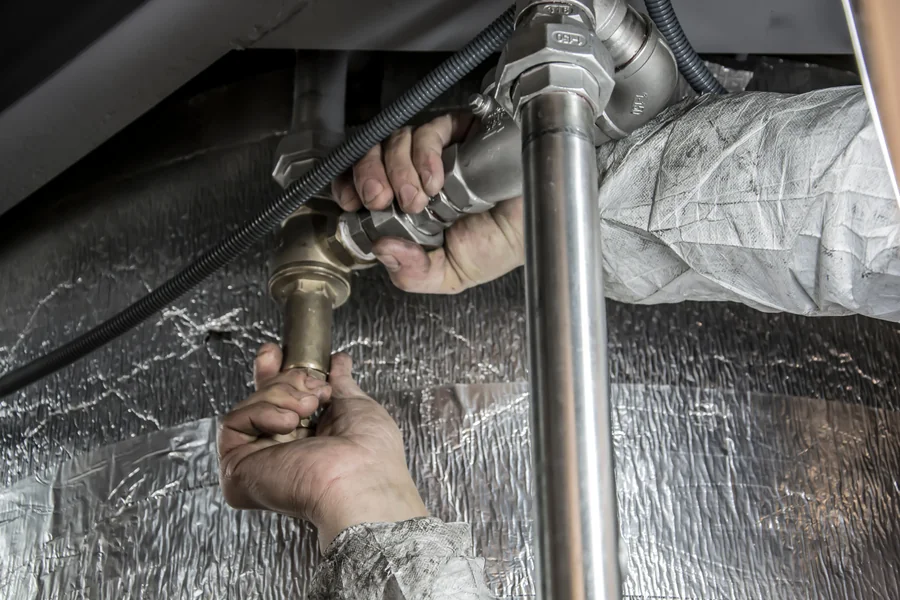
Plumbing problems can range from a dripping faucet to a major leak that affects walls, flooring or other parts of a home. While some issues may appear minor at first, plumbing work often involves systems that are hidden behind walls or beneath floors. Knowing what to consider before, during and after professional plumbing services can help homeowners prepare for the work and avoid unnecessary complications.
Whether you need a repair, replacement or routine maintenance, understanding the process can make it easier to communicate with your plumber and protect your property.
Consider the Nature of the Problem
Before contacting a plumber, take note of what you are experiencing. Is a faucet leaking? Has water pressure changed? Is a drain repeatedly backing up? Are there signs of water around a pipe or appliance?
Knowing when the problem started and whether it has become worse can provide useful information. You do not need to diagnose the issue yourself. Instead, focus on describing the symptoms accurately.
If possible, identify which fixtures are affected and whether the problem occurs continuously or only at certain times. These details can help the plumber determine where to begin the inspection.
Check for Immediate Water Damage
Look around the affected area for visible signs of water damage before the plumber arrives. Discoloration, damp walls, warped flooring or moisture underneath cabinets may indicate that water has already reached surrounding materials.
If there is an active leak and you know how to safely shut off the appropriate water supply, doing so may help limit additional damage. For larger leaks, knowing the location of your home’s main water shutoff valve can be especially useful.
Do not remove walls or flooring simply to search for the source unless instructed by a professional.
Ask About the Work Before It Begins
Before plumbing work starts, ask the plumber to explain what they believe is causing the problem and what needs to be done. You should understand the general scope of the work before agreeing to it.
Ask whether the repair is expected to be temporary or intended as a long-term solution. If replacement is being recommended, find out why repair may not be appropriate.
Clear communication at the beginning can help prevent misunderstandings once work is underway.
Understand the Estimated Cost
Plumbing costs can vary depending on the complexity of the problem, materials required and amount of labor involved. Before work begins, ask for an estimate and clarify what it includes.
Some problems cannot be fully assessed until a component is opened or an area is inspected. In these situations, ask how additional work will be handled if the original estimate changes.
Understanding the pricing structure ahead of time can make unexpected developments easier to manage.
Prepare the Work Area
Make the plumber’s job easier by clearing access to the affected area. Move personal belongings away from leaking pipes, sinks, water heaters or other plumbing components.
If the work involves a cabinet or utility area, remove items that could interfere with inspection or repair. This can also help protect your belongings from accidental water exposure or construction debris.
A clear workspace can allow the technician to reach the plumbing more efficiently.
Know What Happens During the Service
During the service, the plumber may inspect pipes, fixtures, valves and connections to determine the source of the problem. Depending on the situation, specialized tools may be used to locate leaks or assess pipes that are difficult to access.
Some repairs may be completed quickly, while others can require more extensive work. If the technician discovers an additional issue, ask them to explain its significance before approving further repairs.
You do not need to supervise every step, but staying available for questions can help keep communication clear.
Avoid Interfering With the Repair
Once professional work begins, avoid attempting to adjust components or make additional repairs yourself unless the plumber recommends it.
Changing valves, moving pipes or using chemical products while work is underway could interfere with the repair or create additional problems.
If you notice something unexpected during the service, tell the technician rather than attempting to correct it independently.
Ask What Was Repaired
Before the plumber leaves, ask for an explanation of what was completed. Understanding which component was repaired or replaced can help you recognize future warning signs.
If a part was replaced, ask whether the old component needs to be retained for warranty or documentation purposes. You can also ask whether there are any immediate maintenance steps you should follow.
Keeping records of plumbing work can be useful if the same issue returns later.
Check the Area After the Work
Once the repair is finished, inspect the area with the plumber if possible. Check that fixtures operate correctly and that there are no visible signs of leaking.
If a pipe or connection was repaired, ask whether it should be monitored for a specific period. For larger projects, make sure you understand whether additional finishing work is necessary, such as repairing drywall or flooring.
Do not assume everything is resolved simply because the visible repair is complete. Proper testing can help confirm that the system is functioning as expected.
Know How to Maintain the Repair
Ask the plumber whether there are maintenance steps that can help prevent the same problem from returning. Some plumbing components require periodic inspection, cleaning or replacement.
You should also understand what signs could indicate that the repair needs additional attention. A recurring leak, unusual noise or change in water pressure may warrant another inspection.
Following professional maintenance recommendations can help protect the work that has been completed.
Keep Records for Future Reference
Save invoices, estimates and information about replacement parts or warranties. These records can help you remember when work was completed and what components were installed.
They can also provide useful information to another plumber if you need future service. For homeowners with older properties, maintaining a basic history of plumbing repairs can make future troubleshooting easier.
Take a Proactive Approach to Plumbing Care
Professional plumbing services can address immediate problems, but homeowners also play an important role in maintaining their plumbing systems. Preparing the work area, understanding the proposed repair and asking questions can make the service experience smoother.
After the work is completed, monitor the repaired area, follow maintenance recommendations and respond quickly if warning signs return.
Being informed before, during and after plumbing services can help you protect your home, understand the work being performed and reduce the likelihood of small plumbing issues becoming larger problems.
