

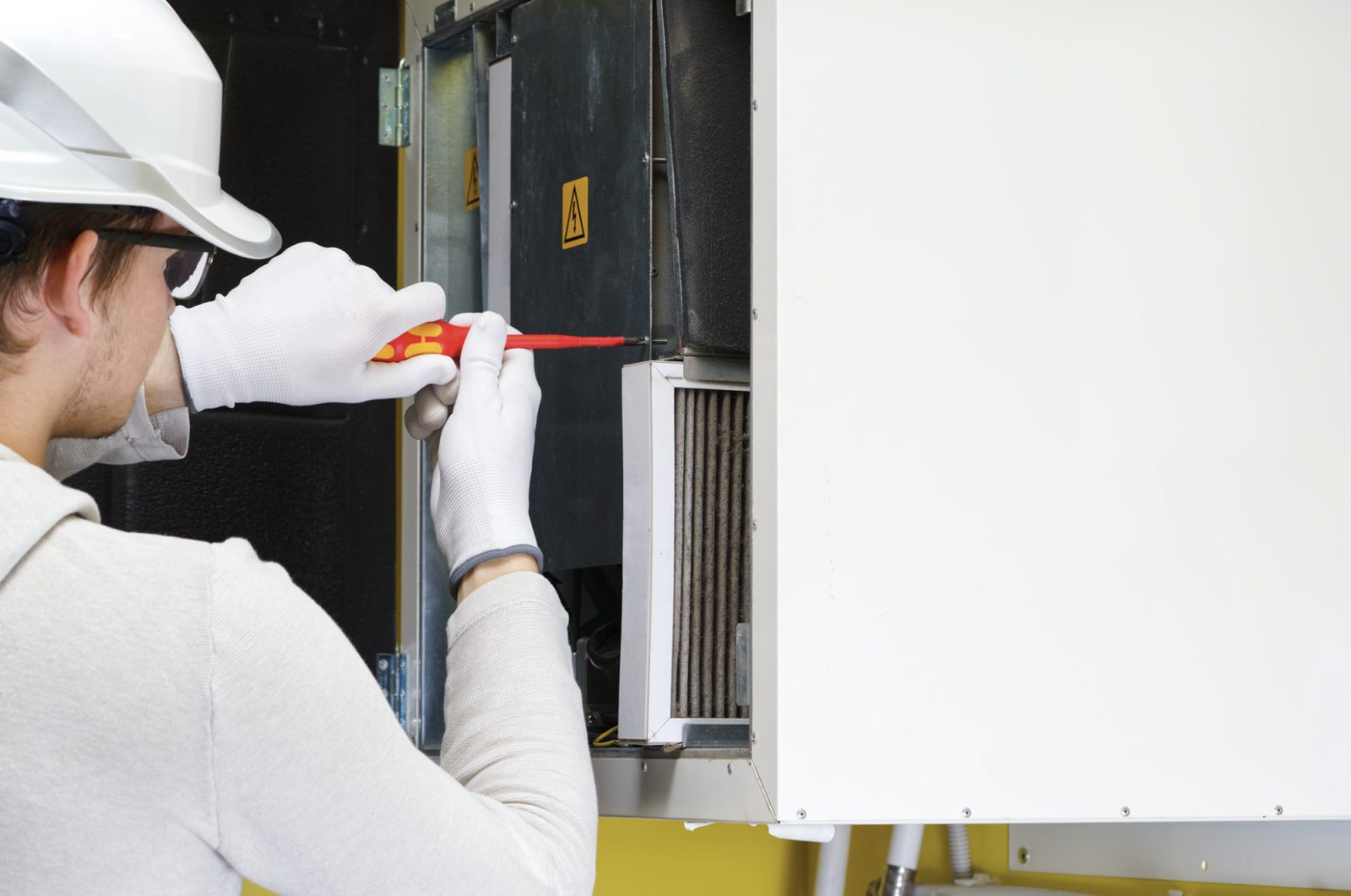
Upgrading to a modern heating system is one of the smartest investments you can make for your home, but the process requires more than just choosing the right equipment. Preparing your home in advance ensures the installation goes smoothly.
In this article, we’ll share a few proactive steps to make the transition seamless and maximize the benefits of your new heating system.
Assess Your Current Heating Setup
Before bringing in a new system, it’s important to evaluate the condition of your existing heating equipment and infrastructure. Many homeowners overlook issues such as outdated ductwork or lingering mechanical problems that can affect the performance of a new unit, but these details can make a significant difference in how well your new system operates.
A thorough assessment helps identify what needs to be repaired or upgraded before installation begins. This step also gives you a clearer picture of how your new system will integrate with your home, ensuring that you don’t carry over inefficiencies from the old setup. A quick assessment of your current system will set the stage for a smoother transition.
Improve Insulation and Seal Air Leaks
Even the most advanced heating system cannot perform efficiently if your home loses heat through poor insulation or gaps in windows and doors. Preparing your home means addressing these issues before installation. Adding insulation to attics, walls, basements, or crawl spaces and sealing air leaks around windows and ductwork can dramatically improve energy efficiency, helping your new heating system maintain consistent warmth.
This ensures that the warmth from your new system stays inside your living spaces. And by improving insulation and sealing leaks, you create a more controlled environment where your heating system can operate at peak performance.
Clear and Prepare the Installation Area
When scheduling a professional heating installation, it’s essential to prepare the designated area in advance. This may involve clearing clutter from basements, utility rooms, garages, or outdoor spaces where the unit will be placed, ensuring that technicians have unobstructed access and sufficient room to maneuver equipment safely. These steps speed up the installation process and reduce the risk of accidental damage to your home or equipment.
In some cases, you may need to make structural adjustments, such as reinforcing flooring or creating ventilation pathways, to match the specifications of the heating system you’ve chosen and carefully coordinated with your contractor. Properly preparing the installation area ensures that technicians can focus on precision and quality during installation.
Upgrade Electrical and Ventilation Systems
Modern heating systems often require updated electrical connections and proper ventilation. Preparing your home may involve hiring an electrician to ensure that your wiring can handle the demands of the new units, especially if your property has older circuits that were not designed for high-capacity equipment. Ventilation systems should also be inspected and, if necessary, upgraded to meet current safety standards and airflow requirements.
Neglecting these elements can lead to performance issues, safety hazards, costly repairs, or even voided warranties, leaving you with unexpected expenses. By addressing electrical and ventilation needs, you create a reliable foundation for your heating system.
Schedule Professional Maintenance After Installation
Preparation doesn’t end once the system is installed. To keep your new heating system running smoothly, it’s wise to schedule professional maintenance shortly after installation and continue with regular checkups.
Early maintenance visits allow technicians to fine-tune the system and catch minor issues before they escalate. This extends the lifespan of your equipment, maintains its efficiency, improves indoor air quality, and ensures consistent comfort throughout your home, while also giving you peace of mind that your investment is protected. By planning for maintenance from the start, you also avoid unexpected breakdowns during the coldest months.
Conclusion
Preparing your home for a new heating system is about creating the right conditions for long-term performance and efficiency. From assessing your current setup and improving insulation to clearing the installation area, upgrading electrical systems, and planning for maintenance, each step plays a vital role in ensuring success.
With thoughtful preparation and professional guidance, your heating installation will deliver the comfort and energy savings you expect.
