

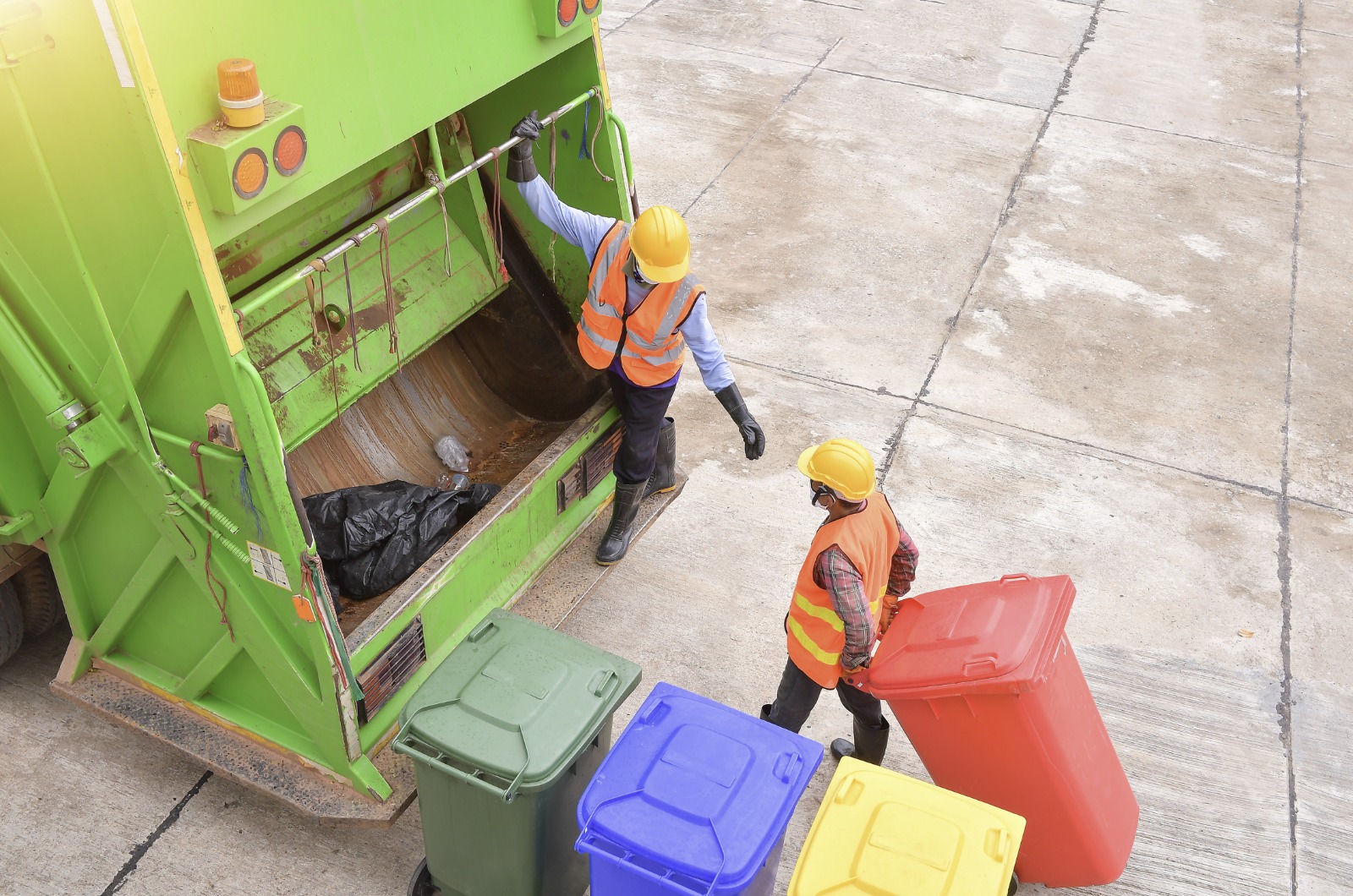
Managing waste in busy industrial environments is a challenge. Business owners and managers often deal with large volumes of materials, constant movement of workers and equipment, strict safety requirements, and waste management issues. And when waste collection is poorly managed, it can lead to safety hazards and unnecessary costs. With the right strategy and tools, industrial spaces can be efficiently managed for better productivity and cleanliness.
In this article, we’ll share thoughtful practices and solutions, so businesses can streamline waste handling and create safer and more productive facilities.
Establish Clearly Defined Waste Zones
One of the most effective ways to improve waste collection in industrial spaces is to designate specific zones for waste disposal. When workers know exactly where to discard materials, it reduces confusion and prevents waste from piling up in random areas, and instead placed in strategic places. These zones should be near workstations and high-traffic pathways to minimize disruption.
When managers add clear signage and place placement bins consistently, they help reinforce habits, ensuring that waste is collected efficiently without slowing down operations. Over time, this reduces clutter and improves workflow across the facility.
Invest in Durable Industrial Plastic Trash Bins
The choice of waste containers directly impacts efficiency and safety. Industrial plastic trash bins, like those offered by Quantum Storage, are designed to withstand heavy use in demanding environments and are built with reinforced materials that resist cracking and denting.
You get the durability needed in facilities with high waste volumes and frequent handling. By investing in bins that are easy to clean and resistant to wear, businesses can maintain a consistent waste collection system that supports long-term productivity and reduces replacement costs.
Implement Scheduled Waste Removal Routines
High-traffic industrial spaces generate waste continuously. As managers, you know that collection cannot be left to chance, and scheduled removal routines are a must to ensure that bins are emptied before they overflow and that waste does not accumulate in work areas.
These routines should be tailored to the facility’s activity levels, with more frequent pickups during peak production periods. Consistency is key – when workers know that waste will be removed at predictable times, they are more likely to follow disposal protocols, helping maintain compliance with safety and environmental regulations. More importantly, this practice reduces the risk of accidents caused by overflowing or misplaced waste.
Train Employees on Waste Management Best Practices
Even the best systems fail without proper employee engagement. Training workers on waste management protocols ensures that everyone understands their role in maintaining a clean and safe environment. Training should cover proper segregation of materials and the safe handling of hazardous waste. Managers should also emphasize the use of designated disposal zones and a schedule of waste collection.
With these processes adopted, employees are likely to take ownership. Regular refreshers and visible reminders can reinforce these practices, creating a culture of responsibility that keeps waste collection efficient and consistent.
Leverage Technology for Smarter Waste Tracking
Modern industrial facilities can benefit from integrating technology into their waste management systems. Examples are smart bin sensors that can monitor fill levels and send alerts when they need to be emptied, and data tracking tools that can provide insights into waste generation patterns. These innovations help managers reduce unnecessary checks and ensure timely collection.
By leveraging technology, businesses can move beyond reactive waste handling and adopt a data-driven approach that saves time and supports sustainability goals.
Conclusion
Optimizing waste collection in high-traffic industrial spaces requires a combination of strategic planning, durable equipment, employee engagement, and smart technology. By establishing practices such as clear waste zones, industrial plastic trash bins, scheduled routines, employee training, and modern tracking tools, businesses can create cleaner, safer environments. These improvements enhance daily operations and contribute to long-term sustainability and compliance.
