

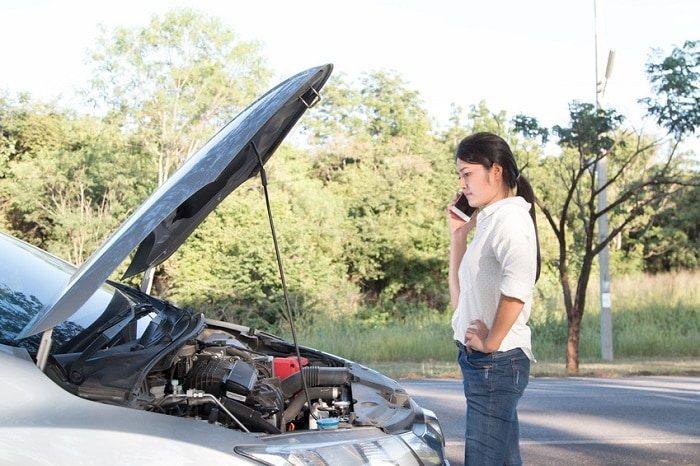
The Importance of Being Prepared for Road Emergencies
Traveling by road provides convenience, independence, and the ability to explore new places at your own pace. However, every journey comes with the possibility of unexpected challenges. Even careful drivers can experience vehicle problems, accidents, or situations that make continuing a trip difficult. Knowing when you need assistance while on the road is an important part of responsible driving. Being prepared to ask for help can protect you, your passengers, and other road users while reducing stress during unexpected events.
Vehicle Breakdowns and Mechanical Problems
One of the most common reasons drivers need assistance is a vehicle breakdown. Cars, vans, and trucks can experience mechanical failures caused by worn parts, electrical problems, engine issues, or general wear and tear. A vehicle that suddenly stops working can leave drivers stranded, especially when they are far from home or traveling through unfamiliar areas. While some minor issues may be handled by experienced drivers, many problems require professional support. Attempting repairs without the right knowledge or equipment may create additional damage or place the driver in an unsafe situation.
Flat Tires and Tire-Related Issues
Flat tires are among the most frequent roadside problems drivers encounter. A puncture, damaged tire, or sudden loss of air pressure can happen at any time. If a driver has the proper tools and a safe location, changing a tire may be possible. However, roadside assistance is often the safest option when the vehicle is stopped on a busy highway, during bad weather, or in an area where changing a tire would be dangerous. Professional help can quickly replace the tire and allow the driver to continue their journey safely.
Battery Failures and Starting Problems
A dead battery is another common reason people require assistance while driving. Batteries may fail due to age, extreme temperatures, or leaving vehicle electronics running when the engine is turned off. Although jump-starting a vehicle can sometimes solve the problem, it is important to use the correct method to avoid injury or damage to the vehicle. Drivers who are unsure about handling battery issues should contact a professional service provider instead of taking unnecessary risks.
Accidents and Vehicle Recovery
Road accidents can happen even when drivers follow traffic rules and drive carefully. After an accident, the first priority should always be the safety of everyone involved. Once emergency needs have been addressed, drivers may require assistance with towing, vehicle recovery, or transportation. A vehicle that appears to have minor damage may still have hidden safety problems, making it important to have it inspected before continuing the trip. Professional assistance can help prevent further damage and provide peace of mind during a stressful situation.
Specialized Help for Larger Vehicles
Some vehicles require specialized support because of their size, weight, or unique mechanical needs. For example, commercial vehicles and heavy-duty vehicles may need specific equipment and trained professionals. When a larger vehicle experiences a breakdown, truck roadside assistance can provide specialized solutions to help drivers and businesses recover quickly and safely. Having access to the right type of assistance ensures that vehicles of all sizes receive proper care when problems occur.
Navigation Problems and Unfamiliar Roads
Modern technology has made navigation easier, but drivers can still experience problems with GPS devices, mobile signals, or incorrect directions. Becoming lost can be stressful, especially when traveling in remote locations or unfamiliar areas. In these situations, asking for assistance from local services, nearby businesses, or trusted contacts can help drivers find their way safely. Relying on help when needed is often better than continuing without knowing the correct route.
Weather Conditions and Road Safety
Severe weather can quickly create dangerous driving conditions. Rain, snow, ice, fog, and extreme temperatures can affect visibility and vehicle performance. Drivers who become stuck, lose control of their vehicle, or feel unsafe continuing should seek assistance rather than attempting to handle the situation alone. Emergency services and roadside providers are equipped to support drivers facing difficult conditions and can help reduce the risks associated with severe weather.
Running Out of Fuel
Running out of fuel is a common problem that can happen when drivers miscalculate distances or fail to notice a low fuel warning. While this situation may seem minor, it can become dangerous if it happens on a highway, in a remote location, or at night. Drivers should avoid walking long distances in unsafe areas and should consider requesting assistance to receive fuel delivery or support. Planning ahead and checking fuel levels regularly can help prevent this situation.
Knowing When You Personally Need Help
Sometimes the reason for needing assistance is not a vehicle problem but the condition of the driver. Fatigue, illness, stress, or distraction can affect a person’s ability to drive safely. If you feel unable to continue driving safely, it is important to stop in a secure location and seek support. Taking a break or asking someone for help can prevent dangerous situations and ensure that everyone reaches their destination safely.
Preparing Before Starting Your Journey
Preparation can reduce the chances of facing serious problems on the road. Drivers should maintain their vehicles regularly, check important components, keep emergency supplies available, and save important contact information before traveling. A charged phone, basic emergency equipment, and knowledge of available roadside services can make unexpected situations easier to manage. Good preparation does not eliminate every possible problem, but it helps drivers respond more effectively when challenges occur.
Staying Safe While Waiting for Assistance
When requesting help on the road, safety should always be the priority. If possible, move the vehicle to a safe location, activate hazard lights, and remain aware of surrounding traffic. Drivers should provide accurate information about their location and the problem they are experiencing so assistance can arrive quickly and effectively. It is also important to avoid unnecessary risks while waiting for help to arrive.
Conclusion: Assistance Makes Every Journey Safer
Needing assistance while on the road does not mean a driver has failed to prepare. Unexpected situations can happen to anyone, regardless of experience or driving ability. The key is recognizing when professional help is needed and taking action before a small problem becomes a serious emergency. Whether dealing with a breakdown, accident, weather challenge, or another unexpected issue, getting the right assistance helps make every journey safer, smoother, and more manageable.
