

A comfortable home should also be an energy-efficient one. When your home uses energy wisely, it can help lower utility bills while creating a more consistent indoor environment throughout the year. Small improvements often have a noticeable impact on indoor air quality and overall comfort.
Fortunately, you do not always need major renovations to see results, as routine maintenance and simple upgrades can make a meaningful difference. Understanding where energy is being lost is the first step toward making smarter decisions. With a proactive approach, you can create a home that feels more comfortable and efficient in every season. Here are several practical tips to help improve energy efficiency while enhancing your living space.
Improve Your Home’s Insulation
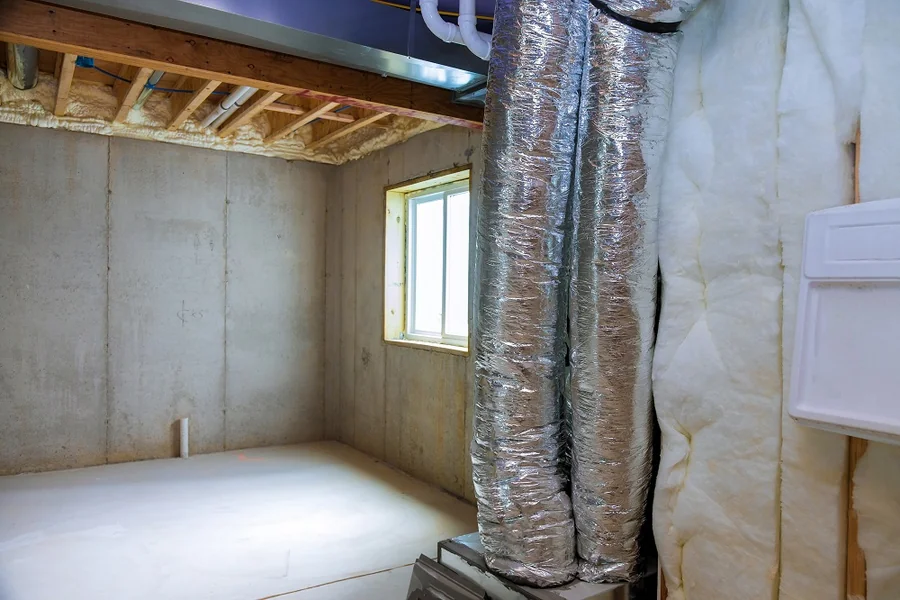
Proper insulation plays a major role in keeping indoor temperatures stable throughout the year. It helps reduce heat loss during colder months and prevents unwanted heat from entering during warmer weather. Areas such as the attic, walls, crawl spaces, and basement are common places where insulation improvements can have a noticeable impact. A home with effective insulation places less strain on heating and cooling equipment, which may contribute to lower energy consumption.
Many insulation companies, like Josh Lowe’s Dr. Energy Saver, can help in understanding how different insulation solutions work. Additionally, they can recommend suitable insulation materials based on your home’s specific needs, helping improve both comfort and energy efficiency. Investing in the right insulation upgrades can provide long-term benefits for your home’s overall performance.
Seal Air Leaks Around Your Home
Even a well-insulated home can lose energy through small gaps and cracks. Air leaks are commonly found around windows, doors, electrical outlets, and plumbing penetrations. Sealing these openings helps prevent conditioned air from escaping while keeping outdoor air from entering. Weatherstripping and caulking are simple improvements that often provide immediate benefits. Eliminating drafts also helps create more consistent indoor temperatures from room to room. Reducing unwanted airflow allows heating and cooling systems to operate more efficiently. Regular inspections help identify new leaks before they become larger problems.
Maintain Your Heating and Cooling Equipment
Your heating and cooling equipment works harder when it is not properly maintained. Replacing air filters regularly allows air to circulate more efficiently throughout the home. Keeping outdoor units clean and free from debris also supports better system performance by improving airflow and reducing unnecessary strain on the system.
Additionally, scheduling routine professional inspections can help identify small issues before they become costly repairs. Regular tune-ups also help ensure that important components are operating as intended, reducing the risk of unexpected breakdowns during periods of heavy use. These preventive measures can contribute to more reliable and consistent indoor comfort throughout the year.
You can also consider an HVAC system replacement when aging equipment becomes less efficient and more expensive to operate. Modern systems often offer improved energy performance compared to older models while providing more consistent temperature control. Consistent maintenance and timely upgrades help extend equipment life and support year-round indoor comfort.
Use Natural Light and Smart Window Treatments
Natural daylight can help reduce the need for artificial lighting during the day. Opening blinds and curtains during cooler months allows sunlight to naturally warm interior spaces. During hot weather, closing insulated curtains or shades helps reduce solar heat gain. Energy-efficient window coverings also improve indoor comfort by minimizing drafts near windows. Rearranging furniture to maximize natural light can make living spaces feel brighter and more inviting. Combining daylight with LED lighting further reduces electricity use when additional illumination is needed. Thoughtful window management supports both comfort and energy savings throughout the year.
Upgrade to Energy-Efficient Appliances and Lighting
Older appliances often use more electricity than newer, energy-efficient models. Replacing outdated equipment with modern alternatives can gradually lower household energy consumption. LED light bulbs use significantly less electricity while lasting much longer than traditional incandescent bulbs.
Additionally, smart power strips help reduce energy wasted by electronics that remain plugged in when not in use. Choosing appliances with high energy-efficiency ratings supports long-term savings without sacrificing performance. Even replacing one appliance at a time can make a noticeable difference over the years. Over time, these small upgrades throughout the home can lead to meaningful energy savings.
Build Better Energy Habits Every Day
Daily habits can make a meaningful difference in maintaining your home’s energy efficiency and comfort. Turning off lights when leaving a room helps reduce unnecessary electricity use, while adjusting your thermostat by a few degrees throughout the seasons can also lower energy consumption. Running dishwashers and washing machines only with full loads also improves overall efficiency.
Likewise, using ceiling fans correctly helps circulate air and may reduce the workload on your heating and cooling systems. Monitoring monthly energy bills can reveal changes that may point to developing efficiency issues. Together, these simple habits and thoughtful home improvements help create a comfortable, energy-efficient living environment for years to come.
Conclusion
Creating a more energy-efficient and comfortable home does not always require major renovations. Many small improvements, such as sealing air leaks and maintaining heating and cooling equipment, can work together to make a noticeable difference. Investing in insulation, using window treatments, upgrading appliances, and adopting energy-conscious habits all contribute to a healthier and more comfortable indoor environment. Thoughtful changes made over time allow homeowners to enjoy improved comfort while using energy more efficiently throughout every season.
