

In an increasingly interconnected world, conferences are no longer confined to national borders. Events today often draw attendees, speakers, and sponsors from across continents—each bringing diverse languages, cultures, and communication preferences. While this global reach expands the event’s impact, it also introduces a critical challenge: language barriers.
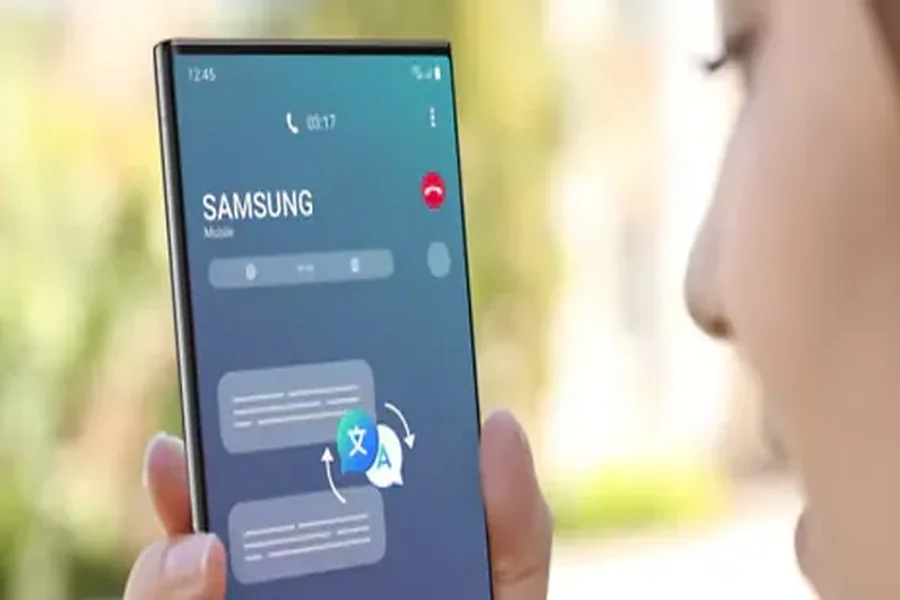
Enter the game-changer—real-time translation in conference mobile applications. With the rise of virtual and hybrid events, as well as tech-savvy in-person gatherings, the conference mobile application has become the central hub of attendee engagement. Now, with integrated real-time translation features, these apps are not only enhancing inclusivity but also redefining the very fabric of global event communication.
This article explores how real-time translation technology embedded in mobile apps empowers international attendees to fully engage in live sessions, participate in networking, and access critical documents—all in their preferred language. Much like luxury travel, it removes the friction of global interaction. We’ll examine the technology, benefits, use cases, and best practices for organizers looking to embrace this transformative tool.
The Need for Real-Time Translation in Modern Conferences
Global events present immense opportunities—but also face one universal obstacle: language diversity.
Imagine hosting a conference in Berlin with attendees from Tokyo, São Paulo, and Nairobi. While English may be the default language, relying solely on it can alienate significant portions of your audience. Language confusion can result in:
- Missed keynotes and sessions
- Limited networking
- Poor user engagement
- Decreased ROI for sponsors targeting multilingual audiences
Real-time translation within a conference mobile application solves this problem by ensuring seamless communication across languages. This inclusivity translates into better understanding, higher satisfaction, and stronger engagement for all participants.
Core Areas Where Real-Time Translation Adds Value
Live Session Interpretation
The crown jewel of any conference is its live sessions—keynotes, panels, Q&A discussions, and breakout rooms. Real-time translation enables attendees to understand and interact with these sessions in their native language, regardless of the speaker’s language.
How It Works:
- Speech is captured via the app or connected audio stream.
- AI-powered translation engines (e.g., Google Cloud Translation, Microsoft Azure Cognitive Services, DeepL) process and convert speech into the attendee’s chosen language.
- Translations are displayed as real-time subtitles or delivered as synchronized voiceover through the app.
Impact:
A study by Interprefy found that multilingual support in conferences increased session engagement by up to 40%, especially in markets where English is not the primary language.
Document and Resource Translation
From session summaries and brochures to whitepapers and sponsorship decks, conferences are resource-heavy. Making these documents accessible in multiple languages can dramatically improve audience comprehension and post-event engagement.
Features to Include:
- Auto-translation of downloadable PDFs, presentations, and flyers within the app.
- Optical Character Recognition (OCR) to translate uploaded images with embedded text.
- Interactive glossaries for industry-specific terms across languages.
Networking and Chat Translation
Networking is a core value proposition of any conference. However, when language differences hinder conversations, connections are lost.
Solution:
In-app chat translation enables real-time text conversations across languages.
- Users type in their native language.
- Messages are instantly translated for the recipient in their preferred language.
- Translation toggles allow switching between original and translated versions.
This facilitates spontaneous connections, cross-border collaborations, and meaningful engagement across the event community.
Conference Mobile Application Features Supporting Translation
To ensure effective real-time translation, your conference mobile application should be built with certain key features and integrations:
Simultaneous Interpretation Modules
Allow access to professional interpreters or AI voiceovers that stream concurrently with speaker audio.
Multilingual UI (User Interface)
Let users choose their interface language—from navigation menus to form fields and buttons.
Localized Content Management
Automatically serve localized versions of session titles, descriptions, speaker bios, and schedules based on language preferences.
Offline Translation Support
Enable download of language packs for offline access during low-connectivity scenarios (especially critical for in-person global events).
API Integrations
Seamlessly integrate with AI translation APIs and interpreter platforms to power real-time speech-to-text or text-to-text conversions.
Benefits for Organizers and Attendees
For Organizers:
- Wider Audience Reach: Attract international attendees who prefer native language communication.
- Higher Engagement Metrics: More users stay tuned during sessions and use app features actively.
- Global Sponsorship Appeal: Sponsors can promote content in target languages.
- Improved Feedback Quality: Post-event surveys in local languages yield more accurate insights.
For Attendees:
- Increased Comprehension: Understand sessions and resources clearly.
- Comfortable Communication: Network confidently without language anxiety.
- Greater Inclusivity: Feel acknowledged and welcomed by event organizers.
Real-Life Success Stories
Web Summit Lisbon
Attracting attendees from over 160 countries, Web Summit used AI-powered translation within its mobile platform to support simultaneous translation for sessions in 12 languages. Attendee satisfaction with content accessibility jumped by 33%.
UN Global Compact Leaders Summit
This hybrid event leveraged multilingual capabilities in their conference mobile application, offering subtitle support and translated documentation. As a result, they saw a 25% increase in global attendance compared to the previous year.
Best Practices for Implementing Real-Time Translation
- Early Planning: Integrate translation into the app design phase—not as an afterthought.
- Language Priority Mapping: Identify top attendee regions to prioritize translation resources accordingly.
- Test for Accuracy: Use native speakers or professional services to validate AI-translated content.
- User Tutorials: Offer quick guides on how to switch languages or access translations.
- Accessibility Considerations: Pair translation with screen readers and voice navigation for a more inclusive app.
Potential Challenges and How to Overcome Them
Accuracy of AI Translation
While machine learning has come a long way, nuances, slang, or industry jargon can confuse AI translators.
Solution: Use custom translation glossaries, and offer a fallback option for manual override or professional review.
Latency in Real-Time Sessions
Delays in translation can disrupt the experience.
Solution: Utilize high-speed servers, real-time protocols (like WebRTC), and edge computing to reduce lag.
Data Privacy
Translating real-time audio and chat may raise data security concerns.
Solution: Ensure compliance with GDPR and CCPA, and choose APIs with end-to-end encryption and privacy controls.
The Future of Real-Time Translation in Conference Apps
Looking ahead, we anticipate the convergence of real-time AI, Natural Language Processing (NLP), and augmented reality (AR) to create even more immersive multilingual conference experiences. Attendees could one day see live holographic captions, AR-based document overlays, and emotionally attuned translations.
Moreover, as 5G adoption grows, latency issues will diminish, opening doors for more dynamic, real-time conversations at scale.
Conclusion: Language Should Never Be a Barrier to Connection
In the digital age, the true value of a conference lies in connection, communication, and collaboration. And none of these can thrive when language divides the audience. By embedding real-time translation capabilities into your conference mobile application, you don’t just provide a utility—you demonstrate a commitment to inclusivity, global engagement, and innovation.
If your goal is to host truly global events, it’s time to embrace translation technology—not just as a feature, but as a foundation of your event strategy.
