

Managing traffic efficiently is a challenge that cities and towns face every day. Congestion, delays, and accidents can disrupt daily routines, increase fuel consumption, and create stress for drivers. One of the most effective ways to address these issues is through the use of regulatory signs. By clearly communicating the rules of the road, these signs help drivers make safe and predictable decisions, ultimately improving traffic flow and reducing congestion.
In this blog post, we’ll explore how regulatory signs contribute to smoother, safer, and more efficient movement on our roads. Read on!
Standardizing Driver Behavior
Regulatory signs, such as speed limits, stop signs, and yield signs, provide clear instructions that drivers are legally obligated to follow. Standardization lessens uncertainty on the road, which is a common cause of delays and accidents. When all drivers understand what is expected at intersections, curves, or pedestrian crossings, the risk of sudden braking or erratic lane changes decreases. This uniformity in driver behavior helps maintain a steady flow of traffic and minimizes bottlenecks.
Preventing Traffic Conflicts
Traffic conflicts often occur when vehicles and pedestrians compete for the same space without clear guidance. Regulatory signs mitigate these conflicts by designating which movements are allowed and which are prohibited. For example, no-turn signs prevent vehicles from blocking intersections, while one-way signs ensure that traffic moves in a single direction, reducing the chances of head-on collisions. By managing these interactions efficiently, regulatory signs minimize the likelihood of slowdowns caused by accidents or confusion.
Enhancing Intersection Efficiency
Intersections are some of the most complex and high-risk areas on road networks. Regulatory signs, like those available at Signs & Safety Devices, guide drivers on when to stop, yield, or proceed, which streamlines decision-making at these critical points. Stop signs and yield signs organize vehicle movements in a predictable order, lessening delays caused by hesitation or aggressive driving. When intersections operate smoothly, vehicles spend less time idling, fuel consumption decreases, and traffic congestion is significantly reduced.
Supporting Pedestrian and Cyclist Safety
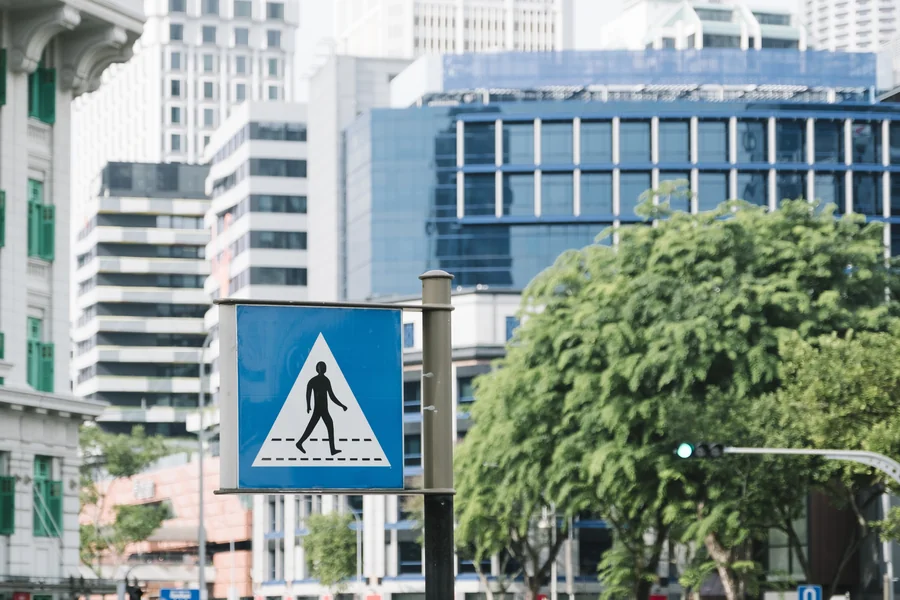
Efficient traffic flow is not just about vehicles; it also depends on the safety and predictability of pedestrian and cyclist movements. Regulatory signs such as pedestrian crossings, school zones, and bike lane markings ensure that drivers are aware of areas where they must slow down or yield. By protecting vulnerable road users, these signs prevent accidents that can disrupt traffic and cause backups. Safer roads ultimately allow vehicles to move more consistently without unexpected interruptions.
Promoting Compliance Through Visibility
The effectiveness of regulatory signs depends on their visibility and clarity. Well-placed, easily readable signs catch drivers’ attention and reduce the need for repeated decision-making. High visibility ensures that drivers can react in advance rather than making last-minute maneuvers, which often cause congestion. When signs are strategically positioned and maintained, they support smoother traffic flow and reinforce adherence to road regulations.
Reducing Traffic Delays and Congestion
By clearly outlining rules and expectations, regulatory signs reduce hesitation, confusion, and unsafe maneuvers that commonly lead to delays. Drivers can anticipate upcoming actions, such as stopping, turning, or merging, with confidence. This predictability minimizes interruptions, keeps vehicles moving efficiently, and helps maintain consistent travel times. Over time, regulatory signage contributes to a more reliable and orderly transportation system, benefiting both daily commuters and commercial traffic.
Encouraging Long-Term Traffic Management
Regulatory signs are a fundamental tool in traffic engineering and urban planning. They allow city planners to manage peak traffic volumes, enforce local traffic laws, and adapt road usage based on changing patterns. By combining signs with other measures like traffic signals and road markings, authorities can design systems that sustain high levels of traffic efficiency while ensuring safety for all users. Properly implemented regulatory signs help cities maintain functional and predictable road networks over the long term.
Regulatory signs are more than just markers on the road; they are essential tools that organize movement, prevent accidents, and improve overall traffic flow efficiency. By standardizing driver behavior, managing intersections, and protecting vulnerable users, these signs allow roads to operate smoothly and predictably. For cities and municipalities looking to enhance traffic management, investing in clear, visible, and well-maintained regulatory signage is a practical and effective solution.
