

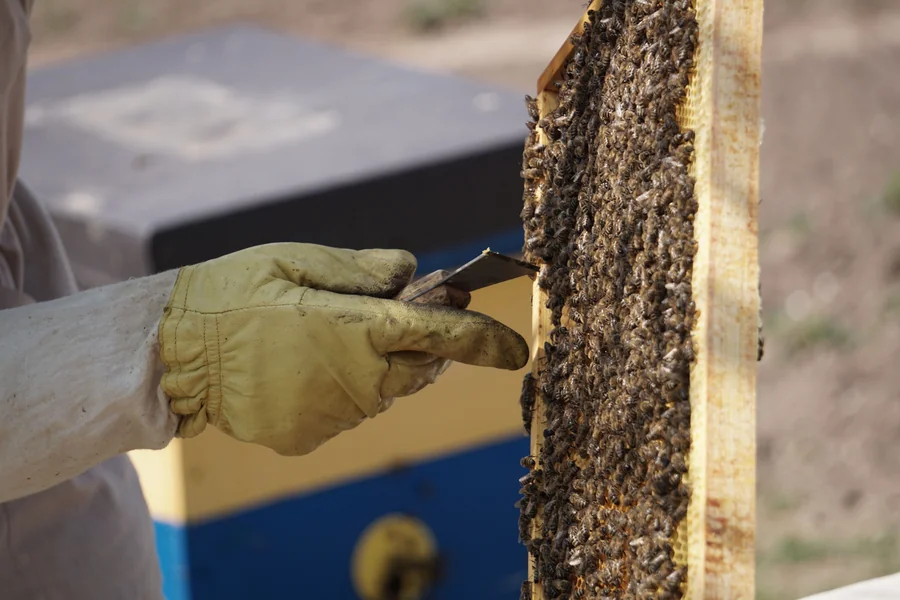
Honey bees play an important role in the environment, but having a colony establish itself inside or around your home can create concerns. Bees may build hives in wall cavities, attics, chimneys, trees or other areas where people and pets regularly pass. Because honey bee colonies can remain active for extended periods, homeowners may wonder how often professional removal services are actually necessary.
Unlike routine home maintenance, honey bee removal is generally not something that needs to happen on a fixed schedule. The need for service depends on whether a colony is present, whether bees have returned to a previously occupied location and how effectively the original removal addressed the underlying problem.
Honey Bee Removal Is Usually Situational
Most homeowners do not need to schedule bee removal every year or every few months. Professional removal is typically needed when an active colony has established itself in an unwanted location.
If bees are repeatedly entering and leaving a specific opening in your home, there may be a colony nearby. Visible activity around a wall, roofline or other structure can be a reason to have the area evaluated.
The goal is not simply to remove visible bees. A professional should determine where the colony is located and assess what may be attracting or allowing bees to remain there.
Consider the Time of Year
Bee activity can change throughout the year depending on local weather and colony behavior. Warmer months often bring increased bee activity, which may make an established colony more noticeable.
Spring and summer can also be periods when colonies expand or swarm. A homeowner who notices a sudden increase in bee activity during these seasons should not automatically assume that a permanent hive has formed.
Because seasonal activity varies by location and conditions, professional evaluation is more useful than relying on a predetermined removal schedule.
Watch for Signs of a Returning Colony
After a colony has been removed, homeowners should continue monitoring the area. Bees returning to the same location may indicate that an opening remains accessible or that remnants of the previous colony were not fully addressed.
Persistent buzzing inside walls, repeated bee activity around a particular entry point or bees appearing indoors can all justify another inspection.
If bees continue returning after removal, simply scheduling repeated treatments may not solve the underlying issue. Identifying how they are accessing the structure can be an important part of preventing another colony from becoming established.
Pay Attention to Hidden Hives
One reason professional evaluation can be valuable is that honey bee colonies are not always visible. Bees may establish nests inside wall cavities, attics, chimneys or other enclosed spaces.
You might see bees entering a small gap without being able to see the colony itself. In some cases, honey or other hive material can accumulate inside the structure.
This is one reason homeowners should avoid assuming that the absence of visible bees means the problem has disappeared. A professional can assess signs of activity and determine whether further action is appropriate.
Avoid Removing Bees on Your Own
Honey bees are living creatures that can become defensive when their colony is disturbed. Attempting to remove a hive without appropriate equipment or experience can result in stings and may also damage the property.
Using household chemicals or sealing an entrance while bees are still inside can create additional complications. Trapped bees may attempt to find another way out, potentially pushing them farther into the structure.
If you discover a colony in an inconvenient location, professional assistance is generally a safer approach.
Consider the Location of the Colony
The location of a bee colony can influence how urgently removal may be needed. A hive located far from regular human activity may pose fewer immediate concerns than one established beside a frequently used entrance.
Colonies near children’s play areas, walkways, patios or indoor living spaces may require greater attention. The presence of people with bee allergies can also make proximity an especially important consideration.
A professional can evaluate the location and help determine the most appropriate next step.
Prevention Can Reduce Repeat Problems
After removal, ask what can be done to discourage bees from returning. This may involve identifying openings around the structure that could provide access to another colony.
Potential entry points can include gaps around roofing materials, vents, siding, chimneys or other structural features. Addressing these areas can make the property less accessible to future colonies.
However, openings should not be sealed before confirming that bees are no longer inside. Blocking an active colony into a structure can create additional problems.
Know When an Inspection Makes Sense
You do not necessarily need to wait until you see a large swarm before contacting a professional. Early signs can be worth investigating, particularly when bee activity is concentrated around a specific part of the property.
An inspection may be appropriate if you hear buzzing inside walls, notice bees repeatedly entering the same opening or find evidence suggesting that a colony has been established.
Early evaluation may make it easier to determine what is happening before the colony becomes more difficult to address.
There Is No Universal Removal Schedule
The frequency of honey bee removal service depends on the circumstances of your property. If you have never had a colony and there are no signs of bee activity, routine removal is generally unnecessary. If a colony has previously been removed, however, monitoring the location for renewed activity can be worthwhile.
Properties with recurring bee problems may benefit from periodic inspections, particularly if structural openings or other conditions make the location attractive to colonies.
The important distinction is between scheduled removal and preventive monitoring. Removal addresses an existing colony, while monitoring and maintenance can help identify conditions that may contribute to another infestation.
Protect Your Home While Respecting Bees
Honey bees are valuable pollinators, so removal should be approached thoughtfully. When a colony establishes itself in an unsafe or unsuitable location, professional removal can help address the situation while reducing unnecessary harm.
There is no standard answer to how often a home needs honey bee removal service. Instead, homeowners should watch for recurring activity, pay attention to where bees are entering and seek professional evaluation when a colony is suspected.
By responding to warning signs and addressing potential entry points after removal, you can reduce the likelihood of repeated problems while keeping your home and its occupants more comfortable.
