

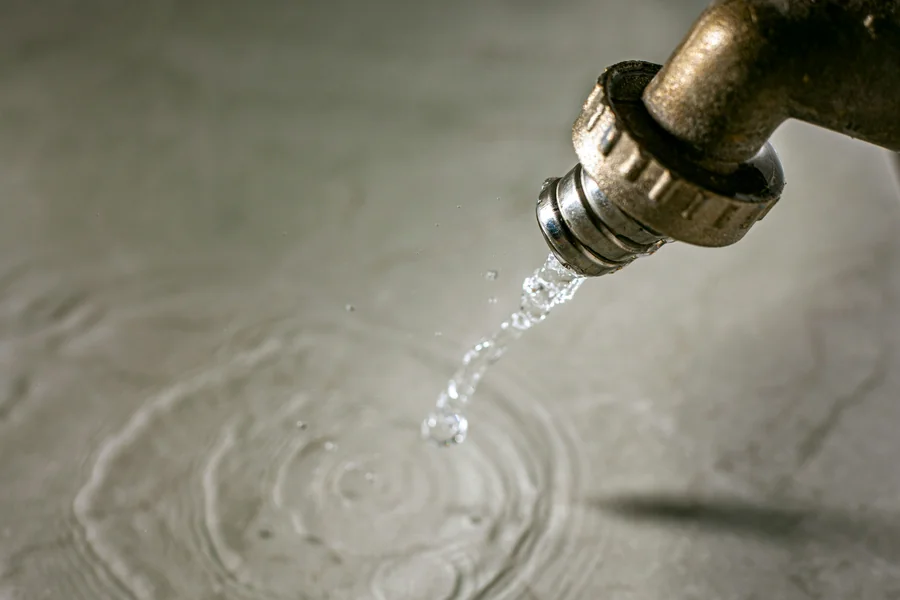
Most homeowners have experienced that rhythmic, annoying thud of a dripping faucet at some point. It is easy to dismiss it as a minor nuisance that can wait until next weekend or even next month. We tell ourselves that a few drops of water couldn’t possibly do much damage to a sturdy house. However, that silence is often the most expensive mistake a property owner can make.
Water is a persistent force that eventually finds its way through almost any barrier. What begins as a tiny pinhole in a copper pipe can quickly evolve into a steady stream. This constant moisture doesn’t just sit there; it migrates through floorboards and behind drywall, weakening the very bones of your home. By the time you see a visible stain on the ceiling, the structural integrity of the wood might already be compromised.
Tracking the Hidden Surge in Utility Costs
The most immediate impact of a neglected leak usually shows up in your mailbox. Even a leak that seems insignificant can waste hundreds of gallons of water over a single billing cycle. Most people are shocked to find that a “slow” leak can add up to the equivalent of several extra loads of laundry every single day. This is essentially money flowing directly down the drain without providing any benefit to your household.
Monitoring your water meter during a period of zero usage is a great way to catch these issues early. If the little dial is spinning while the dishwasher and showers are off, you have a problem that needs attention. It is a simple diagnostic tool that costs nothing but can save you a fortune. Ignoring these early warning signs is like letting a small hole in your wallet grow larger every day.
Guarding Your Home Against Structural Compromise
Beyond the monthly bills, the physical toll on your house is the real financial nightmare. Wood rot is a silent destroyer that thrives in the dark, damp spaces between your walls and under your crawlspace. When timber stays wet for extended periods, it loses its ability to support weight, leading to sagging floors or cracked foundations. These are not simple fixes and often require extensive construction work that far exceeds the cost of a plumbing repair.
The secondary damage is often more pervasive than the initial leak itself. Drywall acts like a giant sponge, pulling moisture upward and away from the source of the drip. This can ruin expensive wallpaper, peel paint, and warp custom cabinetry in a surprisingly short amount of time. Once the structural materials are saturated, the repair bill shifts from hundreds of dollars to tens of thousands.
Preventing Health Risks from Mold and Mildew
A damp environment is an open invitation for mold spores to take root and multiply. Mold can begin to grow on organic surfaces like wood and paper within just twenty-four to forty-eight hours of moisture exposure. This isn’t just a cosmetic issue or a bad smell; it is a genuine health concern for everyone living in the home. Respiratory issues and allergies can flare up long before you ever spot a patch of black fuzzy growth on a baseboard.
Remediating a mold infestation is a specialized process that involves sealing off rooms and using industrial air scrubbers. It is an invasive and costly procedure that insurance companies often limit in their coverage. By addressing the moisture source immediately, you stop the biological clock before the mold has a chance to colonize.
Utilizing Professional Expertise for Precise Repairs
When a pipe fails, the most important step is getting an experienced plumber on the scene to assess the damage. Professional plumbers use their years of hands-on experience to trace the path of moisture back to its origin point. This ensures that the root cause of the problem is solved, rather than just patching a symptom that will reappear later. For example, a service like water leak detection is a great way to see how experts provide long-term solutions for broken lines.
Reliable repair services focus on getting your home back to normal with as little disruption as possible. They can evaluate the condition of your entire plumbing system to see if one leak is a sign of a larger, systemic failure. This type of thorough inspection prevents you from having to call for a new emergency repair just a few weeks down the road.
Understanding the Long-Term Benefits of Vigilance
Being a vigilant homeowner means paying attention to the small changes in your environment. If you notice a musty odor in the basement or a soft spot in the linoleum, do not wait for it to get worse. Early intervention is the only way to maintain the resale value of your home and avoid catastrophic emergency repairs.
The peace of mind that comes with a dry, secure home is truly priceless. You can sleep better knowing that your pipes are sound and your foundation is protected from the slow erosion of a hidden drip. Taking action today is the smartest financial move you can make for your future. It turns a potential disaster into a manageable maintenance task that keeps your life running smoothly.
Conclusion
A small leak is never just a small leak; it is a ticking clock that counts down toward a major financial burden. Whether it is the rising cost of your utility bills or the threat of structural rot, the price of silence is far too high.
By staying proactive and relying on seasoned professionals, you can catch problems while they are still small and affordable to fix. Protecting your home is a full-time job, but the reward is a safe and stable place for your family to grow.
