

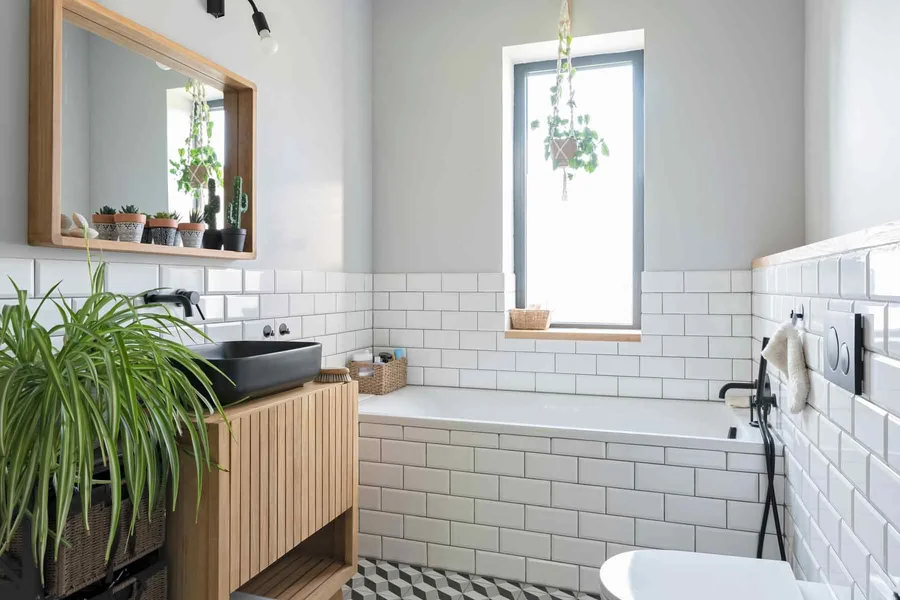
Renovating a bathroom in a small living space can feel like trying to fit a puzzle together—every inch counts, and every decision matters. Whether you’re upgrading an older apartment, optimizing a tiny home, or making the most of a compact city flat, small bathroom renovations require creativity, planning, and strategic design choices. Fortunately, with thoughtful design and modern innovations, even the smallest bathroom can be transformed into a stylish, functional, and inviting space.
1. Plan With Precision
Before picking tiles or faucets, the most crucial step in a small bathroom renovation is thorough planning. Start by measuring your bathroom accurately, noting the location of existing plumbing, electrical outlets, and structural elements. A precise floor plan helps you determine what fixtures will fit best and whether minor structural adjustments, like relocating the sink or toilet, are feasible.
Consider your needs carefully. Do you require a bathtub, or is a shower sufficient? Do you need additional storage, or is minimalism your goal? Small spaces demand intentional design—every fixture and accessory should serve a purpose. Investing time in a functional bathroom reno at the planning stage can save you headaches and unnecessary costs later.
2. Maximize Space With Smart Layouts
In small bathrooms, layout is king. Traditional layouts might not work in compact spaces, so creative approaches are often necessary. For example, placing the toilet and sink along the same wall can free up floor space for a shower enclosure. Corner sinks or wall-mounted toilets can significantly reduce visual clutter and create a sense of openness.
Shower design is another area where space-saving innovations shine. Frameless glass shower doors, sliding doors, or even walk-in wet rooms can make the room feel larger by eliminating barriers and maintaining a clean, uninterrupted line of sight.
3. Choose Light Colors and Reflective Surfaces
Color has a dramatic impact on the perception of space. Lighter shades—white, cream, pastels, or soft grays—tend to make small bathrooms feel larger and brighter. Darker colors can work if balanced with excellent lighting and reflective surfaces, but they generally make compact spaces feel smaller.
Mirrors are a small bathroom’s best friend. A large wall-mounted mirror can double the perceived space while adding functionality. For extra effect, consider mirrored cabinets, mirrored tiles, or even a reflective backsplash behind the sink. These elements bounce light around the room, creating a sense of depth.
4. Prioritize Vertical Storage
Storage in a small bathroom can quickly become a challenge, but vertical solutions make it easier. Tall cabinets, shelving units, or even wall-mounted baskets utilize otherwise wasted vertical space without encroaching on the floor area. Recessed shelving in shower walls or above the toilet is another clever way to keep essentials handy without cluttering the room.
Floating vanities are a practical option for small bathrooms. They provide storage while leaving open space underneath, creating a lighter, more spacious feel. Consider multi-functional furniture, such as vanity units with built-in laundry hampers or hidden compartments, for maximum efficiency.
5. Opt for Compact Fixtures
Standard bathroom fixtures can overwhelm a small space. Compact versions of toilets, sinks, and bathtubs are widely available and designed specifically for smaller layouts. Pedestal sinks or wall-hung basins take up less room, while corner toilets free up floor space. Even showers come in smaller footprints without sacrificing comfort, making them ideal for tight spaces.
Additionally, consider modern innovations like tankless water heaters or combination shower-toilet units, which save both space and energy. Every fixture should be chosen with scale and proportion in mind to avoid a cramped, cluttered feel.
6. Invest in Quality Lighting
Lighting is often overlooked but can make or break a small bathroom renovation. Natural light is ideal, so if you have windows or skylights, maximize their potential with minimal window treatments. For bathrooms without natural light, layered artificial lighting is key.
Combine overhead lighting, vanity lights, and accent lights to create a bright, welcoming atmosphere. LED strips under shelves or around mirrors can add both style and functionality. Well-lit bathrooms feel more spacious, hygienic, and comfortable.
7. Select Materials That Enhance Space
The right materials can make a small bathroom feel larger and more luxurious. Large-format tiles reduce visual breaks, making walls and floors appear more expansive. Glossy or polished tiles reflect light, enhancing the sense of space, while textured tiles or matte finishes can add depth without overwhelming the room.
Durability is also important. Bathrooms are humid environments, so choose water-resistant materials like porcelain, ceramic, or engineered stone. Laminated or moisture-resistant cabinets ensure long-lasting functionality without sacrificing style.
8. Embrace Minimalism and Declutter
In a small bathroom, less is often more. Avoid over-accessorizing with unnecessary decorations or bulky items. Stick to essential toiletries, towels, and functional accessories. Open shelves with a few neatly arranged items can look elegant without creating visual chaos.
Consider hidden storage for everyday items—pull-out drawers, recessed medicine cabinets, or concealed compartments behind mirrors keep surfaces uncluttered. The more open space you maintain, the larger your bathroom will feel.
9. Add Personal Touches
A small bathroom doesn’t have to be sterile or generic. Thoughtful design elements like stylish faucets, modern lighting fixtures, colorful towels, or a striking shower curtain can inject personality. Even in compact spaces, small design details make a big impact, making the bathroom feel inviting and tailored to your lifestyle.
10. Plan for Long-Term Maintenance
Lastly, consider maintenance when renovating a small bathroom. Compact spaces are more prone to mold and grime if poorly ventilated. Install a reliable exhaust fan, choose easy-to-clean surfaces, and avoid overly intricate designs that trap dirt. A well-planned, low-maintenance bathroom ensures your renovation stays beautiful for years.
Conclusion
Renovating a small bathroom is a balancing act between aesthetics, functionality, and clever use of space. By carefully planning the layout, choosing compact fixtures, maximizing light and storage, and embracing minimalist design, even the tiniest bathroom can feel spacious, stylish, and practical. With the right approach, a small bathroom isn’t a limitation—it’s an opportunity to showcase smart design, creativity, and personal style.
Every decision, from the color palette to the type of vanity, contributes to the overall impact. The result can be a bathroom that not only meets your everyday needs but also becomes a serene, enjoyable space that elevates your small living environment.
