

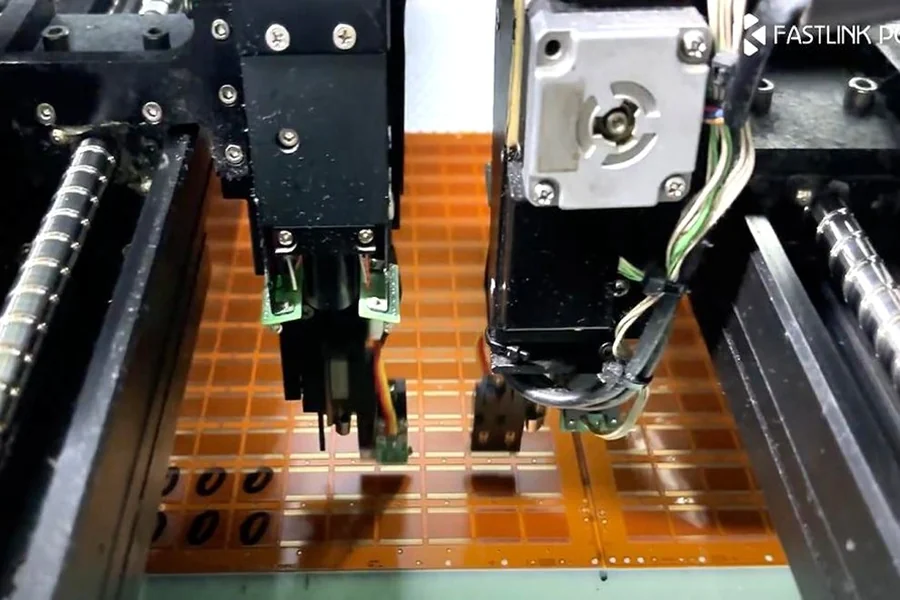
The rigid flex circuit board has emerged as one of the most advanced PCB technologies, combining the durability of rigid printed circuit boards with the adaptability of flexible circuits. This hybrid design allows engineers to create highly compact, reliable, and versatile electronic devices that can withstand demanding environments while saving space and reducing assembly complexity. From aerospace and military applications to medical devices and modern consumer electronics, rigid flex circuit boards play a crucial role in enabling innovative designs and ensuring long-lasting performance.
What is a Rigid Flex Circuit Board?
A rigid flex circuit board is essentially a multilayer structure made up of both rigid and flexible substrates. The rigid sections provide mechanical strength and act as stable platforms for mounting components, while the flexible layers allow interconnection between different rigid parts by bending or folding. This unique integration eliminates the need for bulky connectors and cables, reducing failure points and enhancing overall reliability. The result is a PCB solution that is lightweight, compact, and highly durable.
Structure and Materials of Rigid Flex Circuit Board
The construction of a rigid flex circuit board involves alternating layers of rigid materials, such as FR4, and flexible materials, like polyimide films. These layers are laminated together to form a single, integrated unit. Copper foil is etched to create circuit traces, while vias and plated through-holes enable electrical connectivity between layers. Protective coverlays or solder masks are applied to safeguard the flexible sections from damage during bending. This multi-material structure makes rigid flex boards suitable for high-density interconnect (HDI) designs and applications requiring superior mechanical and electrical performance.
Advantages of Rigid Flex Circuit Board
The rigid flex circuit board offers several advantages over traditional rigid or flexible PCBs. Its hybrid nature reduces the need for connectors, cables, and solder joints, all of which are common points of failure. This improves system reliability and extends product lifespan. The space-saving design enables more compact electronic devices, making it ideal for miniaturized consumer products and wearable technology. Additionally, the mechanical stability of the rigid sections ensures easy component mounting, while the flexible areas allow the circuit to adapt to three-dimensional configurations. These boards are also highly resistant to vibration, shock, and thermal stress, making them suitable for harsh environments.
Applications of Rigid Flex Circuit Board
Rigid flex circuit boards are widely used in industries where performance, durability, and space efficiency are critical. In the aerospace and defense sector, they are used in avionics, radar systems, and satellites due to their lightweight design and resistance to extreme conditions. The medical industry relies on rigid flex boards in diagnostic equipment, surgical instruments, and implantable devices, where compact and reliable circuits are essential. Automotive manufacturers use them in sensors, infotainment systems, and advanced driver assistance systems (ADAS). Consumer electronics such as smartphones, cameras, and wearable devices also benefit from rigid flex technology, enabling thinner, lighter, and more durable designs.
Manufacturing Process of Rigid Flex Circuit Board
The production of a rigid flex circuit board requires precision and expertise. The process begins with designing the circuit layout, followed by selecting appropriate rigid and flexible substrates. Copper foil is laminated onto the flexible base material, and photolithography is used to define the circuit patterns. The rigid sections are built using layers of FR4 or other rigid laminates, and the two types of substrates are carefully bonded together under heat and pressure. Vias and through-holes are drilled and plated to ensure reliable electrical connections across all layers. Final steps include applying protective coatings, surface finishing, and rigorous testing for flexibility, electrical integrity, and durability.
Design Considerations for Rigid Flex Circuit Board
Designing a rigid flex circuit board requires specialized knowledge to balance flexibility and strength. Engineers must account for bend radius, ensuring that the flexible areas can endure repeated bending without damage. Copper trace routing should avoid sharp corners to prevent cracking, while reinforcement should be added at transition zones between rigid and flexible layers. Proper impedance control is essential for high-speed applications, and component placement must consider the mechanical stresses the board will experience. By addressing these factors during design, engineers can maximize performance and reliability while reducing production risks.
Conclusion
The rigid flex circuit board has revolutionized modern electronics by merging the best qualities of rigid and flexible PCBs. Its ability to reduce connectors, save space, and withstand harsh environments makes it the ideal choice for industries ranging from aerospace and automotive to medical and consumer electronics. As technology continues to evolve, the demand for compact, durable, and high-performance circuit solutions will only grow. To achieve the highest level of quality and precision, it is crucial to partner with an experienced rigid flex circuit board manufacturer that can deliver customized solutions tailored to your specific needs.
