

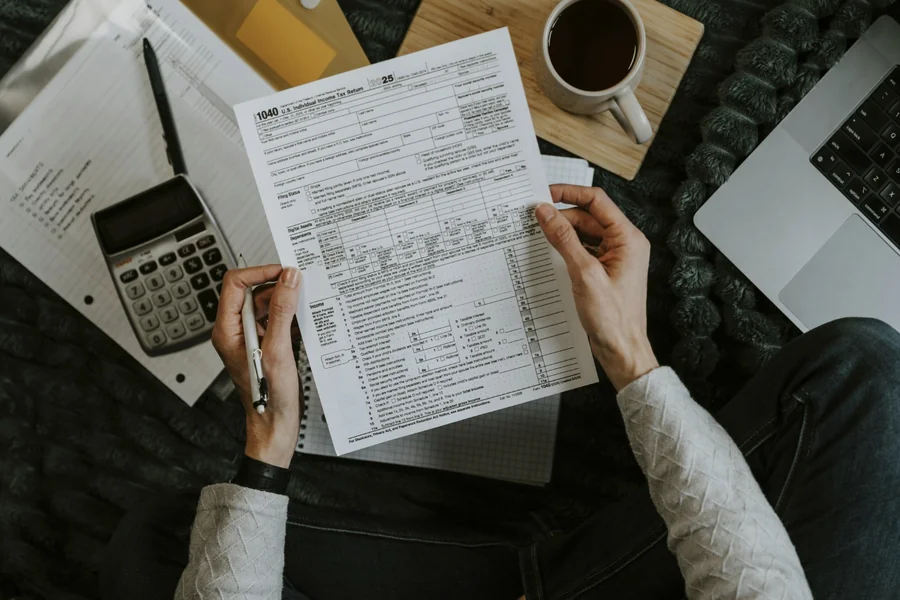
Becoming a certified tax preparer is a rewarding career path for those who enjoy working with numbers, helping people, and navigating financial regulations. With tax laws constantly evolving, skilled preparers are in demand. If you’re starting from scratch, here’s a clear roadmap to guide you through the process of becoming a certified tax preparer. Let’s start!
Understanding the Role of a Tax Preparer
A tax preparer is responsible for assisting individuals and businesses in filing accurate tax returns. This role requires more than just basic math skills—it involves understanding tax codes, identifying deductions, and ensuring compliance with federal and state regulations.
Many preparers also act as trusted advisors, helping clients plan for future tax obligations. Before diving into certification, it’s important to recognize that this profession demands both technical knowledge and ethical responsibility.
Meeting Basic Eligibility Requirements
To begin, you must meet certain baseline qualifications. In the U.S., tax preparers need to have a valid Social Security Number and be at least 18 years old. A clean record is essential, as the IRS requires background checks for those applying for preparer tax identification numbers (PTINs).
While a college degree is not mandatory, having coursework in accounting or finance can give you a strong foundation. Meeting these requirements ensures you’re eligible to move forward with formal training and certification.
Completing Tax Preparer Training Courses
The next step is education. Enrolling in tax preparer training courses provides the knowledge and skills necessary to succeed in this field. These courses cover topics such as federal tax law, filing procedures, deductions, credits, and ethics. Many programs also include practical exercises that simulate real-world tax preparation scenarios.
Training can be completed online or in person, depending on your schedule and learning style. By the end of the course, you’ll have the confidence to handle tax returns accurately and efficiently.
Obtaining Your Preparer Tax Identification Number (PTIN)
Once you’ve completed training, you’ll need to apply for a PTIN through the IRS. This unique number identifies you as a professional authorized to prepare tax returns for compensation. The application process is straightforward and can be completed online.
You’ll provide personal information, answer compliance questions, and pay a small fee. The PTIN must be renewed annually, ensuring that preparers remain accountable and up to date with IRS requirements.
Pursuing Certification and Credentials
While a PTIN allows you to prepare taxes, certification elevates your credibility. The IRS offers the Annual Filing Season Program (AFSP), which requires continuing education and an annual exam. Completing this program demonstrates your commitment to professional standards and can make you more attractive to clients.
For those seeking advanced credentials, becoming an Enrolled Agent (EA) is another option. EAs are federally authorized tax practitioners who can represent clients before the IRS, giving them broader authority and career opportunities.
Gaining Practical Experience
Certification is only part of the journey. Practical experience is essential to building confidence and expertise. Many new preparers start by working with established tax firms, where they can learn from seasoned professionals. Others may volunteer with organizations that offer free tax preparation services to low-income families.
These opportunities provide hands-on practice, expose you to different tax situations, and help you develop client communication skills. Experience is what transforms theoretical knowledge into real-world competence.
Building a Career as a Tax Preparer
Once certified and experienced, you can choose your career path. Some tax preparers work for accounting firms or financial institutions, while others build independent practices. Marketing your services, maintaining strong client relationships, and staying updated on tax law changes are key to long-term success.
Many preparers also expand their services to include bookkeeping or financial planning, creating additional revenue streams. With dedication, you can establish yourself as a trusted professional in your community.
Conclusion
Becoming a certified tax preparer from the ground up requires commitment, training, and practical experience. By meeting eligibility requirements, completing tax preparer training courses, obtaining your PTIN, and pursuing certification, you’ll be well on your way to a rewarding career.
With persistence and professionalism, you can build a thriving practice that helps individuals and businesses navigate the complexities of taxation with confidence.
