

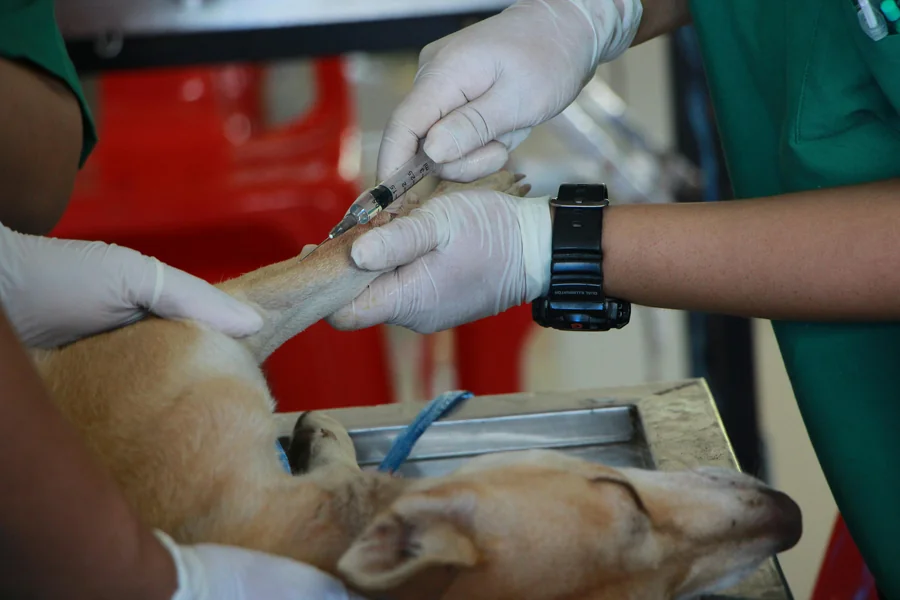
When we bring a new puppy or kitten into our lives, the first visit to the vet usually involves a long list of shots. Among them, the rabies vaccine stands out as the most critical because it is one of the few that protects both animals and humans from a fatal outcome. While we know it is a legal requirement in almost every state, many pet owners don’t fully understand the biological magic happening under their pet’s skin.
The rabies virus is a particularly scary invader because it targets the central nervous system, effectively “hiding” from the body until it reaches the brain. Once symptoms appear, there is no known cure for pets, which makes prevention the only real line of defense. By understanding how the vaccine prepares your pet’s body, you can see why staying current on boosters is more than just following the law—it is a life-saving shield.
Introducing the Mock Invader to the Body
The rabies vaccine works by introducing a “killed” version of the virus into your pet’s system. This means the virus in the shot is no longer active and cannot actually cause the disease or make your pet sick with rabies. Instead, it serves as a training manual for the immune system, showing your dog or cat exactly what the enemy looks like.
When the vaccine is injected, your pet’s white blood cells immediately rush to the area to investigate this new substance. They recognize the protein signatures of the virus and begin a process called “memory cell” creation. These specialized cells act like a biological “Wanted” poster, ensuring the body will remember this specific threat if it ever encounters the real, live virus in the wild.
Building a Fortress of Protective Antibodies
Once the immune system identifies the inactive virus, it starts pumping out proteins called antibodies. These act like microscopic soldiers that are specifically designed to neutralize the rabies virus before it can reach the nerves. It usually takes a few weeks after the initial shot for your pet to reach “peak immunity,” which is why keeping them away from wildlife during this window is so important.
This initial buildup of antibodies is the reason why a puppy or kitten needs their first booster exactly one year after their very first shot. That second dose acts as a reinforcement, signaling to the body that this is a serious threat it must remember for the long haul. Without that first-year booster, the “memory” of the virus can fade, leaving your furry friend vulnerable if they are bitten by a stray animal or a bat.
Recognizing the Importance of Regular Boosters
Over time, the level of antibodies in your pet’s blood can naturally start to decline, which is why veterinarians follow a strict revaccination schedule. Depending on the specific type of vaccine used and the local laws in your area, your pet will typically need a new shot every one or three years. This “booster” dose jolts the immune system back into high alert, ensuring those protective levels remain high enough to fight off an infection.
Many owners wonder why an indoor cat or a dog in a fenced yard still needs these regular updates. The reality is that wildlife, like bats or raccoons, can find their way into garages or even through open windows and screens. For instance, Low Cost Pet Vaccines is an example of a service where families can go to ensure their pets stay compliant with these essential booster schedules. These clinics make it easier for the community to keep up with the science of prevention without breaking the bank.
Managing the Minor Effects of Vaccination
It is completely normal for a pet to feel a little sluggish or sleepy for a day or two after receiving their rabies shot. This is actually a sign that the vaccine is doing its job and the immune system is working hard to build those new defenses. You might notice a small, firm bump at the injection site, which usually disappears on its own within a few weeks as the body processes the liquid.
In very rare cases, some pets might have a more noticeable reaction, such as a mild fever or a slight loss of appetite. These symptoms are generally short-lived and far less dangerous than the risk of contracting the actual virus. If you are worried about your pet’s sensitivity, talking to a professional can help you decide if spacing out their different vaccinations is a better strategy for their specific health needs.
Defending the Community through Collective Immunity
When you vaccinate your own pet, you are doing more than just protecting your household; you are helping to create a “firewall” in your neighborhood. If the majority of local pets are vaccinated, it becomes much harder for the rabies virus to jump from wild animals into the human population. This collective effort is the main reason why rabies cases in domestic pets have dropped so dramatically over the last several decades.
An unvaccinated pet that comes into contact with a suspicious wild animal often faces a mandatory, long-term quarantine that can be stressful for the whole family. Keeping your pet’s records up to date ensures that they stay safe and legal, regardless of what surprises the great outdoors might bring.
Conclusion
The science behind the rabies vaccine is a testament to how far veterinary medicine has come in protecting our companions. By training the immune system to recognize and fight off this deadly virus, we provide our pets with a permanent guard that works around the clock. Staying on top of those 1-year and 3-year boosters is the most effective way to ensure your pet remains a happy, healthy part of your family for years to come.
