

Precision sheet metal fabrication revolutionizes industries by delivering highly accurate and consistent metal parts essential for modern applications. Machinists and manufacturers often rely on advanced manufacturing techniques to achieve high precision.
This article explores how precision sheet metal fabrication works, focusing on cutting-edge techniques, the significance of tight tolerances, and its wide-ranging applications in industries like electronics and healthcare. We’ll also address challenges in maintaining precision across large-scale production, emphasizing strategies to overcome them.
Precision in Sheet Metal Fabrication
Precision in sheet metal fabrication refers to creating components with exact dimensions, shapes, and tolerances to meet specific design requirements. This high level of accuracy is crucial for industries like aerospace, medical, and electronics, where even minor deviations can compromise functionality or safety.
Advanced machinery such as CNC machining, laser cutting, and press brakes are used to achieve high precision during manufacturing. These tools enable consistent, high-quality results while minimizing errors. While they allow sophisticated manufacturing processes, the precision-focused machines perform simple operations like cutting, bending, punching, and welding. The difference is that they execute their operations under stringent controls to maintain high dimensional accuracy.
Material selection also plays a vital role in achieving precision. Therefore, choosing the appropriate metal type, thickness, and properties ensures precision manufacturing services create parts with minimal defects that can compromise the final product’s integrity. Moreover, precision fabrication heavily relies on software like CAD and CAM to design and execute intricate patterns with minimal waste. Real-time monitoring and automation further enhance accuracy, reducing the likelihood of human error.
Techniques for Achieving High Precision in Cutting and Forming
As mentioned, precision manufacturing involves different manufacturing techniques. This section will explore the common ones custom sheet metal fabricators use to achieve high-precision specifications.
Laser Cutting
Laser cutting is one of the most advanced techniques for achieving high precision in sheet metal fabrication. It uses a concentrated beam of light to cut through metal with exceptional accuracy, often within microns. This method is ideal for creating intricate shapes and designs with minimal material waste.
CNC Machining
CNC (Computer Numerical Control) machining ensures high precision in cutting and forming processes. Manufacturers can achieve consistent and repeatable results by programming the machine with exact dimensions. CNC machines are commonly used for cutting, drilling, milling, turning, and bending complex parts.
Waterjet Cutting
Waterjet cutting employs a high-pressure stream of water mixed with abrasive particles to cut through various metals. It is a non-thermal process, which avoids heat-affected zones that can distort the material, resulting in more precise cuts.
Precision Stamping
Precision stamping uses specialized dies and presses to shape sheet metal accurately. This technique benefits high-volume production, where consistency across parts is critical.
Press Brake Forming
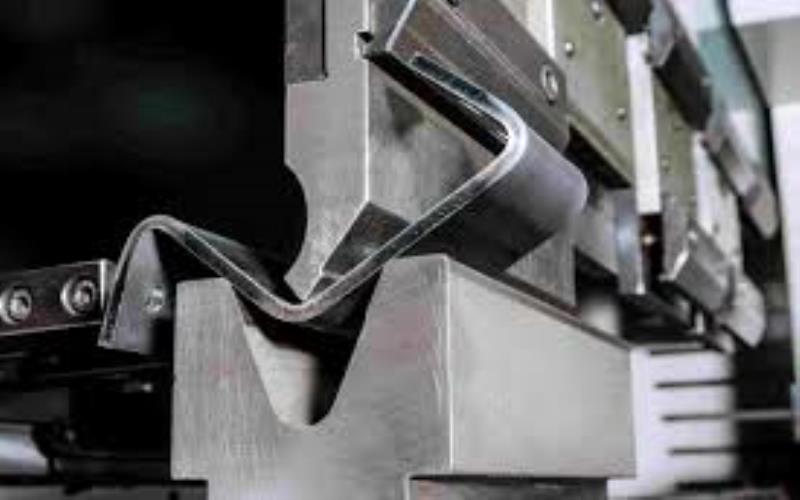
Press brake forming involves bending sheet metal into specific shapes using a press brake machine. With advanced controls and tooling, press brakes can create precise angles and curves, making them essential for forming operations.
Importance of Tight Tolerances in Precision Fabrication
Tight tolerances are the cornerstone of precision fabrication, balancing functionality, efficiency, and aesthetics across various applications. While we have already discussed the common approaches to precision parts manufacturing, let’s examine a critical benefit they afford – fabricating parts with tight tolerances.
Ensures Component Fit and Assembly
Precision-focused manufacturing processes ensure the manufacturing of parts with tight tolerance specifications. Tight tolerances ensure that components fit together seamlessly during assembly. This feature is crucial in industries like aerospace and electronics, where even minor deviations can lead to malfunction or compromise safety.
Improves Product Quality
Precision fabrication with tight tolerances produces parts with higher quality and consistency. This ability ensures the manufacturing of parts with minimal defects, ensuring the reliability and longevity of the final product.
Supports High-Performance Applications
Industries such as medical devices and automotive engineering require components to perform under extreme conditions. Tight tolerances enhance the mechanical properties and efficiency of these parts.
Minimizes Material Waste
Maintaining tight tolerances reduces errors during production, minimizing the need for rework or scrap. This conserves materials and lowers production costs.
Enhances Aesthetic Appeal
For consumer-facing products, tight tolerances contribute to smoother finishes and uniform dimensions, enhancing the product’s overall appearance and perceived quality.
Facilitates Advanced Automation
Tightly controlled tolerances allow smoother integration into automated systems, where precision is critical for efficient operation.
Ensures Compliance with Standards
Many industries adhere to strict regulatory standards. Tight tolerances ensure that fabricated components meet these requirements, avoiding potential legal and operational issues.
Applications for Precision Fabrication in Medical and Electronics Industries
Now, let’s examine the applications of precision fabrication, particularly in the medical and electronic industries.
Medical Devices and Equipment
Precision fabrication is vital for producing medical devices such as surgical instruments, implants, and diagnostic equipment. These components require exact dimensions and superior finishes to ensure safety, functionality, and compatibility with human anatomy. For example, parts for prosthetics or surgical robotics must meet stringent tolerances.
Electronic Enclosures
In the electronics industry, precision fabrication creates enclosures for devices like smartphones, tablets, and computers. These enclosures must house sensitive electronic components securely while maintaining aesthetic appeal and thermal efficiency.
Printed Circuit Board (PCB) Components
Precision sheet metal fabrication supports the production of components used in PCBs, such as shielding boxes and heat sinks. These parts must meet strict size and material specifications to ensure proper functionality and heat dissipation in compact electronic devices.
Wearable Technology
Wearable medical devices, such as fitness trackers or health monitors, demand lightweight and precisely fabricated components for comfort and reliability. Precision ensures these devices function optimally and last long despite daily wear.
Laboratory and Testing Equipment
Fabrication precision is critical in manufacturing laboratory equipment such as centrifuges, pipettes, and diagnostic machinery. Any dimensional error can compromise accuracy and repeatability in medical testing or research.
Miniaturized Electronics
The trend toward smaller, more powerful devices in the electronics industry demands precision in fabricating miniaturized components. Tight tolerances ensure proper functionality in space-constrained environments.
Challenges in Maintaining Precision Across Large Batches
While precision manufacturing processes offer manufacturers endless possibilities as they create parts across various industries, they are not all that straightforward. This section explores their challenges.
Material Variability
Differences in material quality, thickness, or consistency can lead to variations in dimensions and tolerances, affecting precision across large batches. Therefore, regular material inspections and sourcing from reliable suppliers are critical.
Tool Wear and Maintenance
Frequent use of tools and machinery during large-scale production leads to wear, reducing cutting accuracy and precision. Consequently, manufacturers must ensure regular tool maintenance and replacements to mitigate this challenge.
Thermal Expansion
Prolonged machining generates heat, causing thermal expansion in materials and equipment. This increases the chances of dimensional inaccuracies, especially in precision-critical parts. Cooling systems and temperature control help address this issue.
Process Calibration
Consistency in calibration settings is crucial for maintaining precision. Minor deviations in machine settings over time can lead to significant inaccuracies in production. Routine inspections and recalibration ensure stability.
Human Error in Monitoring
Operators play a significant role in overseeing production. Monitoring or adjustment errors can lead to inconsistencies, emphasizing the need for proper training and reliance on automated quality control systems.
Conclusion
Precision sheet metal fabrication is vital for creating components that meet exacting standards in industries such as medicine and electronics. Manufacturers ensure superior product quality and performance by utilizing advanced techniques, maintaining tight tolerances, and addressing batch production challenges. As demand for precision grows, innovative approaches and technologies continue to drive advancements, solidifying their role in shaping the future of manufacturing.
