

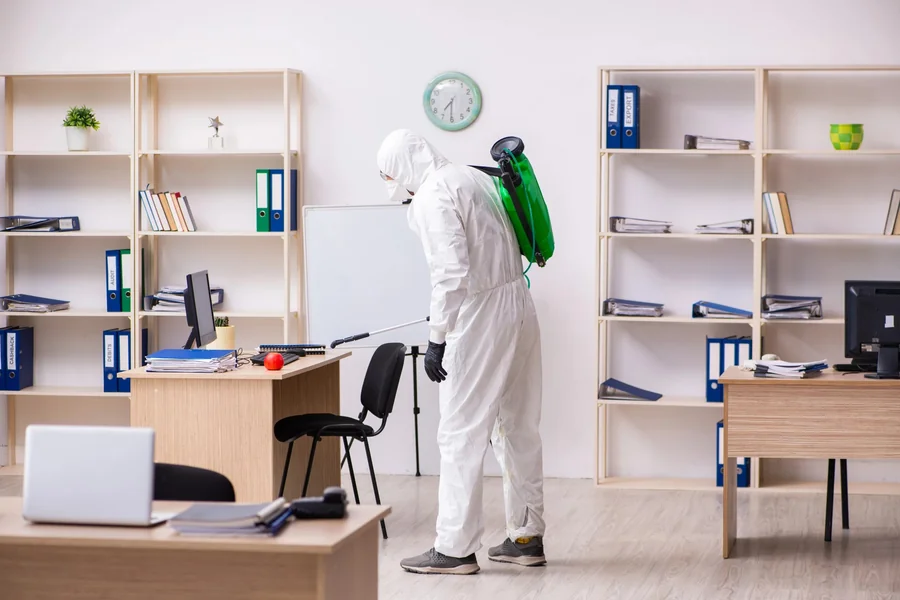
Maintaining a clean and pest-free workspace is essential for productivity, employee health, and the overall image of your business. Pest infestations not only disrupt daily operations but can also pose serious health risks and damage property. From rodents and cockroaches to ants and flies, pests can infiltrate workplaces in numerous ways. The good news is that many infestations can be prevented with proactive strategies, regular maintenance, and employee awareness. Here’s a comprehensive guide to preventing pest infestations in your workspace.
1. Understand the Risks and Common Pests
Different workplaces attract different types of pests. For example, offices with kitchens or cafeterias may face challenges with ants, cockroaches, or rodents attracted to food scraps. Warehouses storing materials or packaging may encounter mice, rats, or insects nesting in boxes. Even professional offices without food storage can experience problems with pests seeking shelter, warmth, or moisture.
Understanding the specific risks in your workspace is the first step toward prevention. Identify the types of pests common in your region and those likely to target your workspace environment. kaiyo This knowledge will help you implement targeted preventative measures rather than generic solutions that may be ineffective.
2. Maintain a Clean and Organized Workspace
Cleanliness is the cornerstone of pest prevention. Pests are drawn to clutter, crumbs, spills, and standing water. Here are some practical steps to maintain a hygienic workspace:
- Regular Cleaning: Ensure daily cleaning routines that include vacuuming, wiping down surfaces, and disposing of trash properly. Pay particular attention to break rooms, kitchen areas, and restrooms.
- Proper Trash Management: Use sealed trash bins and empty them regularly. Overflowing or uncovered garbage attracts flies, ants, and rodents.
- Reduce Clutter: Piles of papers, cardboard boxes, and unused equipment provide hiding and nesting spots for pests. Keep workspaces tidy and store materials in organized, sealed containers.
3. Control Food and Beverage Storage
Food is one of the primary attractants for pests. Proper storage and handling can significantly reduce the likelihood of infestation:
- Sealed Containers: Store all food items in airtight containers to prevent access by ants, rodents, or pantry pests.
- Avoid Leaving Food Out: Encourage employees to clean up after meals and avoid leaving snacks or drinks at desks.
- Refrigeration: Perishable items should be stored in a refrigerator rather than at room temperature. Regularly clean the refrigerator to prevent spills and spoilage.
4. Address Moisture and Water Issues
Many pests, including cockroaches, ants, and silverfish, are attracted to moisture. Even small leaks or areas of high humidity can create an ideal environment for infestations. Steps to control moisture include:
- Fix Leaks Promptly: Repair leaking pipes, faucets, or HVAC units immediately.
- Ensure Proper Drainage: Make sure sinks, floors, and external areas have proper drainage to prevent standing water.
- Use Dehumidifiers: In damp areas, such as basements or storage rooms, dehumidifiers can reduce humidity levels and make the environment less appealing to pests.
5. Seal Entry Points
Pests often enter workspaces through small gaps, cracks, and openings. Conducting a thorough inspection of your building and sealing potential entry points can prevent unwanted visitors:
- Inspect Windows and Doors: Ensure that windows and doors close tightly and that screens are intact.
- Seal Cracks and Gaps: Use caulk or weatherstripping to seal gaps around doors, windows, and utility openings.
- Check Roofs and Vents: Ensure vents, chimneys, and rooflines are properly sealed to prevent birds, rodents, and insects from entering.
6. Regular Maintenance and Monitoring
Routine maintenance and monitoring are key to early detection and prevention of infestations. Early detection allows for quick intervention before pests multiply. For workplaces in regions like Cairns, engaging a professional service that offers fast-acting cockroach pest control in Crains can be particularly effective in addressing immediate infestations. Scheduled inspections should cover all areas of the workspace, including storage rooms, kitchens, bathrooms, and seldom-used spaces. Pest monitoring devices, such as traps or detection stations, can help identify problem areas and the type of pests present. Even with preventive measures, consulting a licensed pest control professional provides tailored solutions and routine treatments to minimize risk.
7. Employee Awareness and Engagement
A pest-free workspace requires the participation of everyone in the organization. Employees should be educated and encouraged to follow best practices:
- Training Programs: Educate staff on how to handle food, dispose of waste properly, and identify signs of pests.
- Reporting System: Implement a system for employees to report sightings of pests or conditions that may attract them.
- Promote Accountability: Encourage personal responsibility in keeping individual work areas clean and organized.
8. Outdoor Considerations
Pest prevention doesn’t stop at the building’s interior. The exterior environment can significantly influence the likelihood of infestations:
- Proper Landscaping: Keep bushes, trees, and shrubs trimmed away from the building to reduce shelter for pests.
- Eliminate Standing Water: Ensure gutters, drains, and outdoor containers don’t collect water that can attract mosquitoes and other insects.
- Secure Outdoor Waste: Keep dumpsters and outdoor trash bins covered and away from entrances.
9. Conclusion
Preventing pest infestations in your workspace requires a comprehensive and proactive approach. By maintaining cleanliness, controlling food and moisture, sealing entry points, monitoring regularly, and involving employees, businesses can significantly reduce the risk of infestations. A pest-free workspace not only protects property and health but also fosters a productive and comfortable environment for everyone. Investing time and resources in prevention is far more effective and cost-efficient than dealing with an active infestation later.
By following these strategies consistently, your workspace can remain clean, safe, and pest-free—ensuring that employees can focus on their work without unwelcome interruptions from insects or rodents.
